

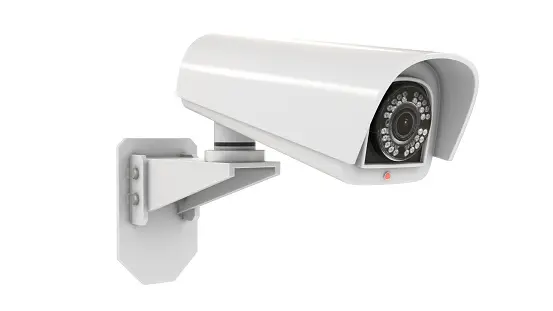
In today’s dynamic business landscape, ensuring the safety and security of assets, employees, and customers is paramount. This necessity has led many organizations to implement robust surveillance systems tailored to their unique needs. Business surveillance systems are not just tools for monitoring; they serve as comprehensive security solutions that can help deter crime, provide evidence in case of incidents, and foster a safer working environment. Understanding the various aspects of these systems is crucial for making informed decisions that enhance security and operational efficiency.
Overview of Business Surveillance Systems
Business surveillance systems encompass a range of technologies designed to monitor and record activities within a business environment. These systems can include traditional CCTV cameras, IP cameras, and more advanced options that integrate with other security measures. CCTV systems are often used for their reliability and ease of use, while IP cameras provide higher resolution images and the ability to access footage remotely. Some systems also integrate with alarm systems, access control, and even environmental sensors, creating a comprehensive security network that can be tailored to specific operational needs.
Key Features to Look for in Business Surveillance Systems
When selecting business surveillance systems, there are several key features to consider that will enhance their effectiveness and usability:
1. Video Quality
The resolution of the video is critical for identifying individuals and activities. High-definition cameras ensure clearer images, which can be vital in investigations. Look for systems that offer at least 1080p resolution or higher to capture important details.
2. Remote Access
Accessing camera feeds remotely allows business owners and security personnel to monitor their premises in real-time, regardless of location. Many modern systems offer mobile applications that facilitate this capability, providing peace of mind and the ability to respond quickly to incidents.
3. Integration Capabilities
Business surveillance systems that can integrate with existing security measures, such as alarm systems and access control systems, provide a more comprehensive approach to security. This integration streamlines operations and enhances overall effectiveness, allowing for centralized monitoring and management.
4. Storage Options
Consider the storage solutions available with the surveillance system. Whether opting for local storage using hard drives or cloud-based solutions, ensure that the system can accommodate the amount of footage you anticipate needing to store. Cloud storage can offer additional benefits, such as remote access and scalability.
5. Night Vision and Motion Detection
Effective surveillance should include capabilities for low-light conditions. Cameras with night vision technology can capture clear images in darkness. Additionally, motion detection features can alert users to unusual activity, ensuring that incidents are addressed promptly.
Installation Options and Considerations for Business Surveillance
Deciding on how to install business surveillance systems is a significant consideration. Businesses can typically choose between two main options: DIY installation or professional installation.
DIY Installation
For smaller businesses or those with budget constraints, DIY installation might seem like a cost-effective solution. Many surveillance systems are designed for easy setup, with user-friendly instructions and online tutorials. However, it's essential to ensure that cameras are placed strategically to cover all potential blind spots and that the system is configured correctly for optimal performance.
Professional Installation
For larger businesses or those looking for a more comprehensive and customized setup, hiring professionals is often advisable. Experienced installers can assess the specific security needs of the business, recommend appropriate equipment, and ensure that the system is installed to maximize coverage and effectiveness. Professional installation services can often be found through specialized providers who understand the nuances of business surveillance systems. For further guidance, consider exploring professional security camera installation services to ensure optimal system performance.
Maintaining and Optimizing Your Surveillance System
Once a business surveillance system is in place, regular maintenance is essential for ensuring ongoing effectiveness. Regularly check camera lenses for dirt or obstructions, verify that all equipment is functioning properly, and routinely test the system’s features, such as remote access and motion detection. Keeping software and firmware updated is also crucial for security and functionality.
In conclusion, business surveillance systems are a vital component of modern security strategies. By understanding the various types, features, and installation options available, businesses can make informed decisions that enhance safety and security while fostering a more secure working environment.