

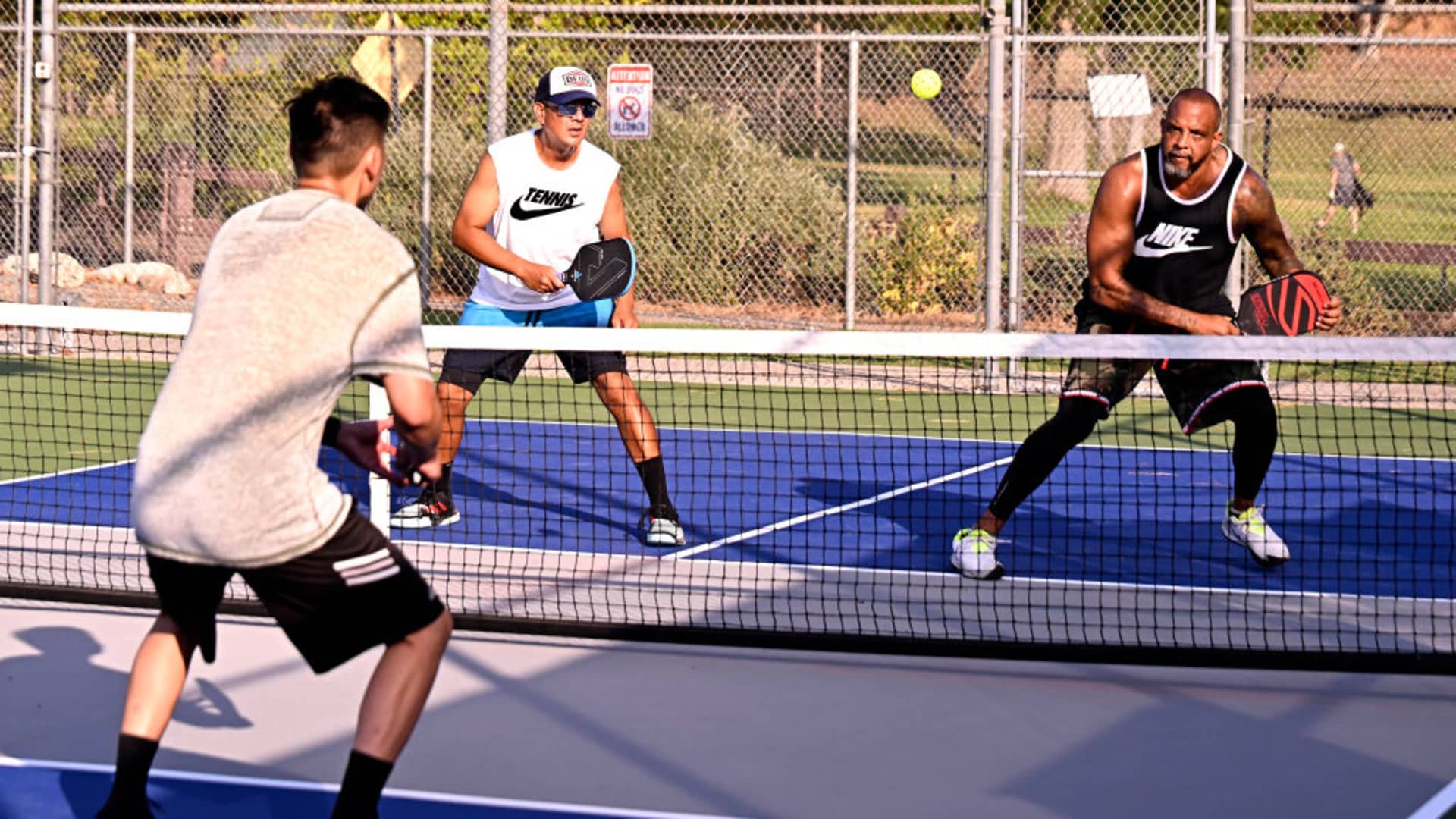
Pickleball has taken the sporting world by storm, rapidly growing in popularity across various age groups and communities. What began as a simple backyard game has transformed into a dynamic social phenomenon, attracting players of all skill levels. With its unique blend of elements from tennis, badminton, and ping pong, pickleball offers an engaging way to exercise and connect with others.
The courts have become bustling hubs of activity, where players gather to enjoy friendly competition and camaraderie. As more people discover the thrill of smashing, serving, and scoring in pickleball, clubs and recreational centers have seen increased interest, leading to the establishment of leagues and tournaments. This rise in passion for the sport not only promotes physical fitness but also fosters a sense of community, making pickleball a delightful addition to our recreational landscape.
The Basics of Pickleball
Pickleball is an exciting racquet sport that combines elements of tennis, badminton, and table tennis. Played both indoors and outdoors, the game features a net and a court similar to a tennis court, but smaller in size. Players use paddles made of wood or composite materials to hit a lightweight plastic ball with holes, known as a pickleball. The objective is to score points by hitting the ball over the net and landing it in the opponent's court.
The game can be played either as a singles match or in doubles, with two players on each side. Each side serves the ball and must allow it to bounce once on their side before hitting it back over the net. A key component of pickleball is the non-volley zone, often referred to as the kitchen, which is located near the net. Players cannot volley the ball while standing in this area, promoting strategic play and longer rallies.
Pickleball has gained widespread popularity due to its accessibility and ease of play. People of all ages can participate, making it a favorite for family gatherings, community events, and social clubs. As more players discover the thrilling dynamics of the game, pickleball is rapidly becoming a staple in recreational sports across the country.
Growing Popularity
Pickleball has experienced an astonishing surge in popularity, capturing the attention of players across various age groups and backgrounds. Originally created in the mid-1960s, this unique sport has evolved into a mainstream favorite, with millions of enthusiasts taking to courts around the world. The social aspect of pickleball, combined with its accessibility and relatively low physical demands, has made it particularly appealing for families and older adults seeking a fun and engaging way to stay active.
The growth of pickleball can also be attributed to its community-driven nature. With local clubs and organizations hosting tournaments and social events, players can easily find opportunities to connect, compete, and improve their skills. Many community centers and recreational facilities have recognized the demand, leading to the construction of more dedicated pickleball courts. As a result, the sport is not only growing in numbers but also in its sense of camaraderie and support among players, fostering a vibrant pickleball culture.
Furthermore, the media coverage surrounding pickleball has played a crucial role in its rising status. Television broadcasts, social media content, and celebrity endorsements have brought the sport into the public eye, showcasing exciting matches and inspiring stories. This visibility has attracted new players eager to join the movement, enhancing its reputation as a fun, competitive, and engaging activity that transcends generations. As pickleball continues to gain traction, it is poised to become a staple in sports culture for years to come.
Health Benefits
Engaging in pickleball offers numerous health benefits that contribute to overall well-being. This sport is a fantastic way to improve cardiovascular health, as it involves continuous movement, quick sprints, and strategic gameplay. Players can elevate their heart rate, which helps strengthen the heart and improves blood circulation. Regular participation can lead to better stamina and increased endurance, making it an excellent choice for those looking to enhance their fitness levels.
In addition to cardiovascular improvements, pickleball promotes strength and balance. The game requires players to perform dynamic movements, including lunging, reaching, and quick side steps, which can enhance muscular strength and coordination. These physical demands help build better balance and agility, reducing the risk of injuries both on and off the court. This makes pickleball suitable for players of all ages, as it can accommodate different skill levels and physical capabilities.
Moreover, pickleball is known for its positive impact on mental health. The social interactions that occur during play foster a sense of community and belonging, which can alleviate feelings of loneliness and depression. As players engage with others and share in the excitement of the game, they release endorphins, which are natural mood lifters. The combination of physical activity and social connection makes pickleball not only a fun sport but also a beneficial practice for mental wellness.
Community and Competitions
The growth of pickleball is not just about the sport itself; it's also about the vibrant communities that have formed around it. Players of all ages and skill levels gather on local courts, creating an inclusive environment where newcomers are welcomed. This sense of community fosters friendships, encourages participation, and helps to cultivate a spirit of sportsmanship. Social events, club gatherings, and casual meet-ups often take place, allowing players to connect beyond the game.
Competitions have become a key aspect of the pickleball phenomenon. From local tournaments to national championships, players are eager to test their skills and challenge themselves. Many clubs host friendly competitions where players can compete in various formats, such as doubles and singles. These events not only highlight the competitive nature of the sport but also strengthen community bonds as players support and cheer for each other.
As pickleball continues to gain momentum, the competitive scene is expanding, with more tournaments being organized and attracting participants from various backgrounds. Professional leagues are emerging, providing a platform for talented players to showcase their abilities. This growth fuels excitement among enthusiasts and opens doors for aspiring athletes, further solidifying pickleball's place in the sports world and creating lasting connections among its participants.