

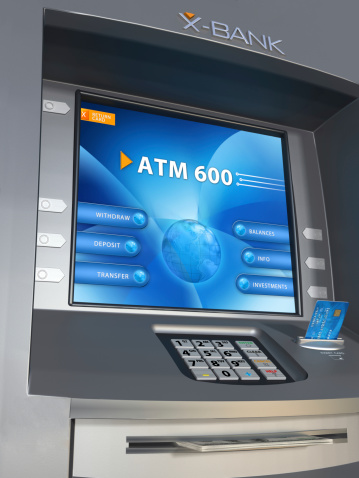
Automated Teller Machines, better known as ATMs, have become a crucial component of our daily financial transactions. From their inception in the late 20th century to the advanced machines we see today, ATMs have significantly transformed how we access cash, make deposits, and manage our finances. This evolution is marked by continuous improvements in technology, convenience, and security, making them an essential service point in today's fast-paced world.
As we look to the future of ATMs, it is exciting to consider the role of companies like ATMgeorgia, which is dedicated to enhancing ATM services. Not only do they process cash loads, but they also specialize in the installation and de-installation of ATMs, ensuring that businesses and consumers alike have reliable access to cash when needed. Understanding the journey of ATMs and the innovations on the horizon can provide valuable insights into their ongoing relevance in an increasingly digital financial landscape.
History of ATMs
The history of ATMs dates back to the late 1960s when the first cash dispensing machine was installed in London by Barclays Bank. This innovation allowed customers to withdraw money outside of regular banking hours, revolutionizing the way people accessed their cash. The machine was quite basic compared to modern ATMs, requiring users to insert a special card and enter a personal identification number to complete the transaction. This marked the beginning of a new era in banking, enhancing convenience and accessibility for customers.
As the years progressed, ATMs rapidly evolved in both design and functionality. In the 1970s and 1980s, banks began to adopt more sophisticated models that could accept deposits and allow for various transactions beyond just cash withdrawal. The rise of networked ATMs allowed customers to access their accounts from different banks, paving the way for interoperability. This evolution not only increased the number of ATMs worldwide but also expanded their role in everyday banking, making them an essential component of financial services.
In the 1990s and 2000s, technological advancements further transformed ATMs. The introduction of better security measures, touch screens, and branding options enhanced user experience and safety. These developments also led to the emergence of third-party companies specializing in ATM installation and maintenance, such as ATMgeorgia, which processes cash loads and manages installations and de-installations. Today, ATMs serve as multifunctional banking hubs, allowing users to perform a wide range of financial transactions with ease.
ATM Technology Advancements
The evolution of Automated Teller Machines has been marked by significant technological advancements that have transformed how we access our finances. Initially, ATMs were designed primarily for cash withdrawal. Over the years, new features have been integrated, allowing customers to check account balances, transfer funds, and even deposit cash and checks. This transition reflects the growing demand for convenience and the need to streamline banking services, enabling users to perform a wide array of transactions without stepping into a bank.
Another major advancement is the integration of advanced security features aimed at protecting users' sensitive information. Modern ATMs now utilize end-to-end encryption, biometric authentication, and anti-skimming devices to ensure that transactions are secure. These enhancements not only mitigate the risk of fraud but also instill confidence in users, encouraging more people to utilize ATMs for their banking needs. Companies like ATMgeorgia are at the forefront of this evolution, focusing on secure installation and maintenance services to meet these new technological demands.
Looking to the future, ATMs are expected to continue evolving with the integration of artificial intelligence and machine learning. These technologies might facilitate more personalized banking experiences by analyzing user behavior and preferences. Additionally, the standardization of digital currencies and the rise of fintech innovations could lead to ATMs that cater specifically to cryptocurrency transactions. As ATMgeorgia processes cash loads and focuses on installations, it is clear that the company is positioned to adapt to these trends and meet the demands of a changing financial landscape.
ATM Services Offered by ATMgeorgia
ATMgeorgia provides a comprehensive range of services that cater to the needs of businesses looking to enhance their cash accessibility. One of the core services offered by the company is the processing of cash loads. This ensures that ATMs are consistently stocked with cash, which is crucial for maintaining customer satisfaction and ensuring smooth operations for businesses. Regular cash loading services help prevent the inconvenience of empty machines and ensure that customers can always access their funds.
In addition to cash loading, ATMgeorgia specializes in the installation and de-installation of ATMs. Their experienced technicians handle the logistics of setting up new machines at strategic locations or removing old ones as needed. This service is vital for businesses that are expanding, relocating, or updating their ATM offerings. By managing the entire installation process, ATMgeorgia ensures that clients can quickly and efficiently implement their ATM services with minimal disruption.
Furthermore, ATMgeorgia offers ongoing maintenance and support for all installed ATMs. This includes monitoring the machines for any issues, conducting regular repairs, and ensuring compliance with regulatory requirements. By providing these support services, ATMgeorgia allows businesses to focus on their core operations while ensuring their ATM systems are operating smoothly and reliably.
Future Trends in ATM Industry
The ATM industry is on the brink of significant transformation as technology continues to advance. One of the most notable trends is the move towards contactless transactions. As consumers increasingly prefer speed and convenience, ATMs are adapting by incorporating features such as NFC technology, which allows users to withdraw cash through their smartphones or wearables. This shift not only enhances user experience but also contributes to health and safety concerns, especially in a post-pandemic world.
Another trend shaping the future of ATMs is the integration of advanced analytics and artificial intelligence. By utilizing data analytics, ATM operators can gain insights into customer behaviors and preferences, enabling them to optimize cash management and enhance services. This technological evolution allows for better prediction of cash loading needs, thereby minimizing outages and ensuring that ATMs are stocked to meet demand. Companies like ATMgeorgia are already leveraging these tools to provide efficient cash load processing and improve installation procedures.
Lastly, the role of ATMs is expanding beyond just cash dispensing. Many ATMs are evolving into multifunctional kiosks that offer a range of services such as bill payments, money transfers, and even loyalty programs. This diversification is transforming ATMs into valuable service points that cater to a wide array of consumer needs. As the industry adapts, partnerships with businesses and advancements in service capabilities will likely drive continued growth and relevance in the financial ecosystem.